As I got older, I started noticing that things weren't as sharp as they used to be. Reading became a struggle, and even looking at my computer screen felt like a strain. I knew I needed to do something about my vision, and that's when I started exploring the world of multifocal eyeglasses. It's been quite a journey, and I'm excited to share what I've learned along the way.
It started subtly. I'd find myself holding books further away, squinting at my phone, and constantly adjusting my position to get a clearer view of things. I was in denial for a while, thinking it was just fatigue or bad lighting. But eventually, I had to admit that my vision was changing. I work with two 27” monitors all day, and it became increasingly difficult to focus on them without getting a headache. That's when I realized I needed more than just reading glasses.
My first step was to visit an eye doctor. I quickly learned that not all eye exams are created equal. I realized the importance of finding an eye doctor who is thorough and takes the time to get the prescription just right. I made sure not to let anyone rush me through the exam. This is probably the most important step in the whole process. If the prescription isn't accurate, you'll be fighting an uphill battle from the start.
I was nervous about adapting to multifocal lenses. I had heard stories about people struggling with them, experiencing dizziness, and never fully getting used to them. Fortunately, my experience was much smoother than I anticipated. I adapted to them within about a day. My eye doctor told me that people who are nearsighted often have an easier time adapting than those with milder prescriptions. I'm quite nearsighted, so maybe that played a role. However, I did notice some interesting effects.
One thing I quickly discovered is that looking downwards through the reading lens can exaggerate your height. This makes stairs and hiking trails look steeper than they actually are. I had a couple of near-misses before I learned to compensate for this effect. Now, I make a conscious effort to lift my chin slightly when navigating uneven terrain. It's a small adjustment, but it makes a big difference.
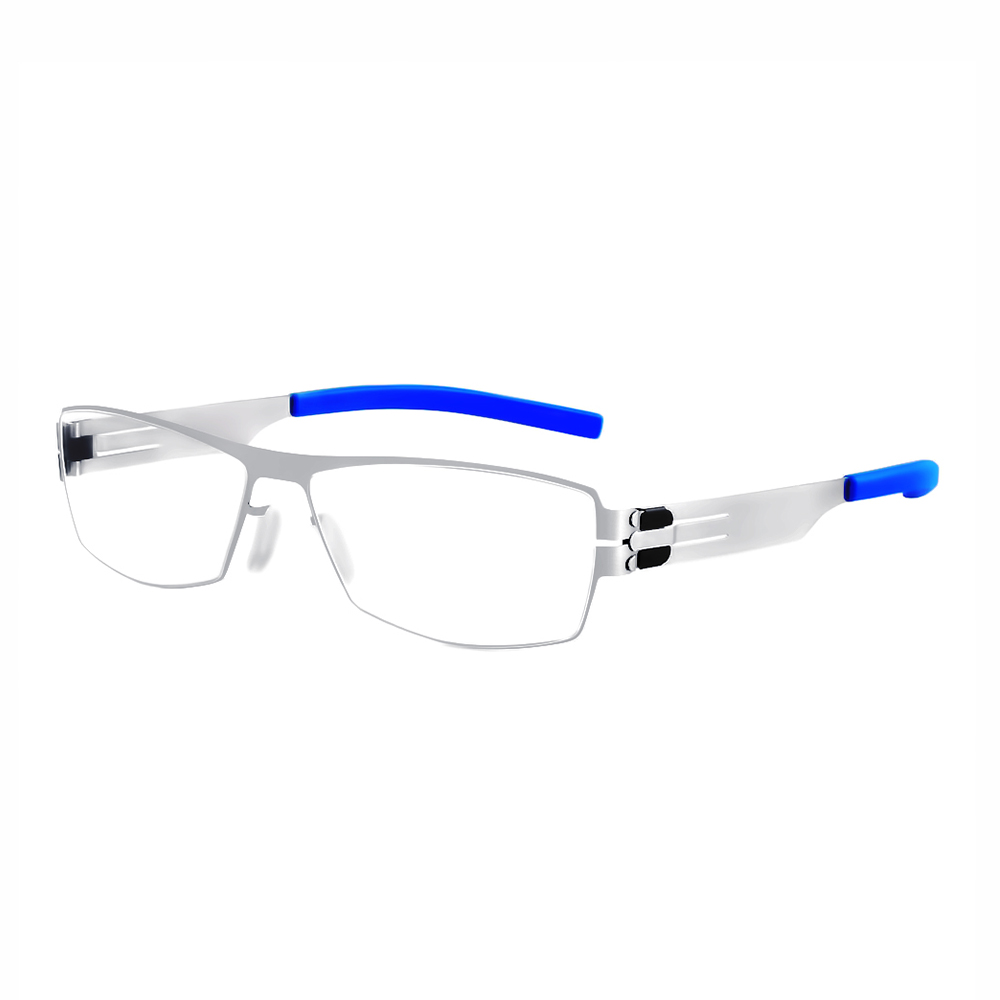
After struggling with standard frames, I decided to invest in a pair of high-quality frames that would be both comfortable and stylish. I stumbled upon the Mozaer Lens Shop and was immediately drawn to their selection of lightweight, durable frames. I eventually settled on a pair of German Titanium Alloy Screwless Men Glasses Frames.
I love these frames because they are incredibly lightweight and comfortable to wear all day. The screwless design means there's no risk of them coming loose or needing constant adjustments. Plus, the irregular square shape gives them a modern, sophisticated look. I was looking for something that was stylish enough to wear to meetings, but also durable enough to last me a few years. These frames seem to be able to handle that. I also appreciate that they are made of German Titanium Alloy, so they are very durable, and I don't have to worry about them breaking easily. If you're looking for durable frames that will last, check out the German Titanium Alloy Screwless Men Glasses Frames Optical Ultra-light Business Irregular Square Prescription Eyeglasses Reading GRAY at Mozaer. They've truly made a difference in my overall experience with multifocal glasses.
Before I got my first pair of multifocals, I had been using readers for about 25 years. Ten years ago, I decided to get my eyes checked when I needed to renew my driver's license. I knew I needed glasses for close-up reading, but I only needed a minimum correction for distance. I decided to go with progressive lenses. I think it was a good decision.
Based on my experience, here are some key tips for anyone starting out with multifocal eyeglasses: