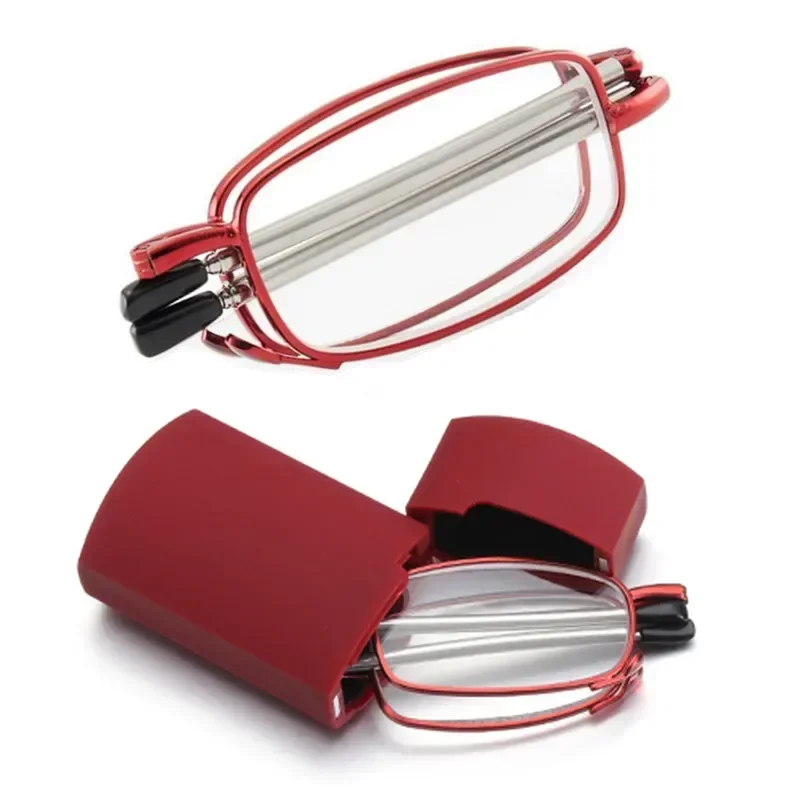
A few years ago, I found myself needing reading glasses. Perhaps you've been there too—staring at your phone only to see the text go blurry, realizing you need something for close-up tasks. That's how I stumbled into the bewildering world of cheap readers.
I used to think all glasses were essentially the same. Why shell out $100 when a $20 pair gets the job done? That mindset ended up costing me more money than I expected and gave me some serious headaches. Buying glasses should be straightforward, not a source of stress. I went through three different price tiers before finally discovering the perfect balance of quality and cost.
Here’s a look at my journey toward better vision and better value:
My first pair of reading glasses set me back $20. They were marketed as convenient folding plastic glasses for travel, which seemed like a smart buy at the time.
They lasted all of three weeks. Not exactly a bargain. The glasses felt flimsy, like toys, with a thin plastic frame. Problems started almost immediately:
That first pair cost $20 and survived just 3 weeks. In other words, I was paying nearly $7 per week for fragile readers I had to keep replacing.
Verdict: Super cheap plastic is a waste of money—it breaks far too quickly. Stop buying disposable glasses.
I decided to upgrade, thinking that doubling my budget to around $40 would solve the quality issues. I turned to a larger online retailer known for higher-end products, complete with polished marketing. They offered prescription-quality reading glasses, including progressive bifocals.
The glasses themselves were a slight improvement and didn't scratch as easily. But the process of actually receiving them was a complete nightmare. I learned that paying more doesn't automatically mean better service. Reading through other customers' reviews confirmed I wasn't alone:
Real Customer Issues with Mid-Range Online Retailers: